From Authority to Intelligence-Driven Influence
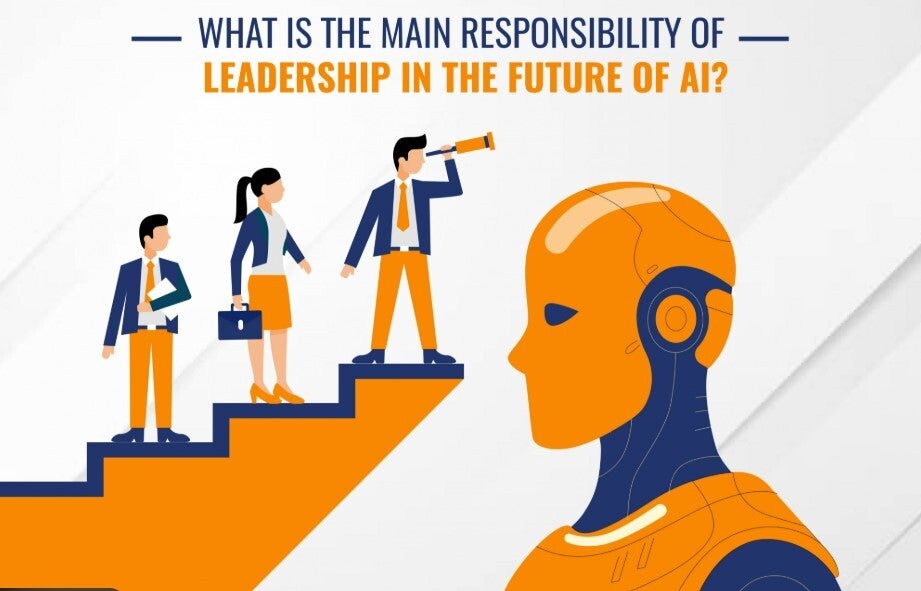
Artificial Intelligence is not just transforming technology—it is redefining leadership itself. In the AI era, authority no longer comes from hierarchy or experience alone, but from the ability to interpret intelligence, make ethical decisions, and guide people through constant change.
Leadership today is no longer about having all the answers.
It is about asking the right questions—faster than the competition.
In my current role in pricing leadership, I frequently see companies struggle to bridge the gap between AI ambition and day-to-day decision-making.
Why Traditional Leadership Models Are Breaking
Classical leadership models were built for stable environments:
- Predictable markets
- Linear career paths
- Slow decision cycles
AI has shattered those assumptions.
Leaders now face:
- Real-time data instead of quarterly reports
- Algorithmic recommendations instead of gut instinct
- Teams augmented by AI rather than replaced by it
A leader who ignores AI will not be replaced by AI—but by another leader who knows how to use it.
The New Role of Leaders in an AI-Driven World
AI does not eliminate leadership—it raises the bar.
Modern leaders must:
- Translate data into direction
- Balance automation with accountability
- Protect trust in algorithm-assisted decisions
- Ensure AI serves people—not the other way around
Leadership shifts from command-and-control to sense-and-guide.
Human Judgment Becomes More Valuable, Not Less
AI excels at:
- Pattern recognition
- Speed
- Scale
But it cannot replace:
- Ethical reasoning
- Cultural awareness
- Empathy
- Responsibility for consequences
In AI-driven organizations, leaders are not decision-makers—they are decision owners.
When an algorithm suggests a price, promotion, or termination, the leader must still answer one question:
“Can I stand behind this decision—publicly and morally?”
Leading AI-Augmented Teams
The most effective leaders will:
- Encourage curiosity, not fear
- Make AI transparent to teams
- Reward learning over perfection
- Redefine performance beyond hours worked
Teams don’t fear AI—they fear being excluded from it.
Leaders who democratize AI build trust.
Leaders who hide it create resistance.
Ethics Is the Ultimate Leadership Skill
In the AI era, ethics becomes a core leadership competence.
Leaders must define:
- Where automation stops
- When human override is mandatory
- How bias is detected and corrected
- Who is accountable when AI fails
Technology moves fast.
Trust moves slowly—and once lost, it never fully returns.
Leadership Is Becoming More Visible, Not Less
AI increases transparency:
- Decisions are logged
- Recommendations are traceable
- Outcomes are measurable
There is no place to hide behind opinions or politics.
Leadership becomes evidence-based and exposed.
This is uncomfortable—but necessary.
Final Thought
The future does not belong to leaders who fear AI.
Nor to those who blindly follow it.
It belongs to leaders who can:
- Combine intelligence with integrity
- Use data without losing humanity
- Lead change while protecting people
AI will shape organizations.
Leadership will decide whether they thrive or fracture
.
Add comment
Comments